
Looking for funding to grow your business but feeling stuck with traditional banks? You’re not alone.
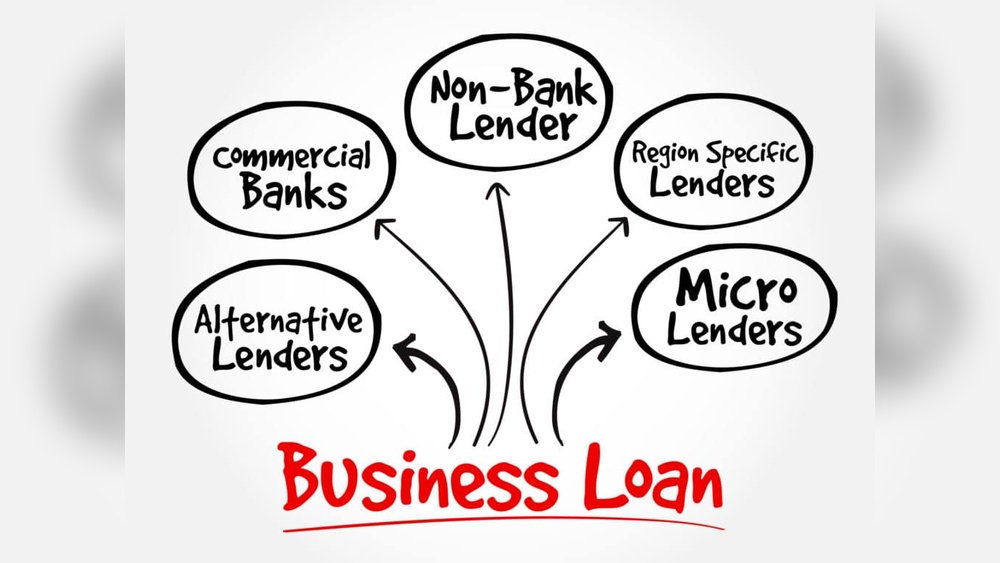
Many business owners like you face hurdles when applying for conventional loans—strict requirements, long wait times, and confusing paperwork can slow you down. That’s where alternative business funding lenders come in. These lenders offer faster, more flexible options tailored to your unique needs.
Whether you’re aiming to expand, manage cash flow, or invest in new equipment, exploring alternative funding could be the game-changer your business needs. Keep reading to discover the best alternative lenders and how they can help fuel your success.

Types Of Alternative Lenders
Online lenders offer quick and easy loan applications. They use technology to approve loans faster than banks. Many small businesses prefer them for their speed and convenience.
Peer-to-peer platforms connect borrowers directly with investors. These platforms can offer lower interest rates and flexible terms. They rely on a community of lenders instead of banks.
Community Development Financial Institutions (CDFIs) focus on supporting local businesses. They provide loans to underserved areas and often offer lower rates and personalized service.
Credit unions are member-owned and often give better rates than big banks. They focus on helping their community members with fair lending practices.
Non-profit lenders offer loans with an emphasis on helping small businesses grow. Their terms are often more flexible, and they may provide business advice along with funding.
Popular Funding Options
Term loans provide a fixed amount of money paid back over time. They usually have set interest rates and regular payments. These loans work well for buying equipment or expanding a business.
Lines of credit offer flexible access to funds. Borrowers can use what they need and pay interest only on that amount. This option helps manage short-term cash flow or unexpected expenses.
Merchant cash advances give businesses money based on future sales. Repayments come as a percentage of daily credit card sales. This method is quick but often has higher costs.
Invoice factoring lets companies sell unpaid invoices to a lender. The lender pays cash upfront and collects the invoice payments later. It helps improve cash flow without waiting for customers.
Equipment financing helps purchase machinery or tools. The equipment itself usually serves as collateral. This type keeps cash available while upgrading business assets.
Revenue-based financing provides money based on business revenue. Repayments are made as a percentage of monthly sales. This option fits businesses with steady income but no strong credit history.
Advantages Of Alternative Funding
Alternative funding offers faster approval times than banks. Many lenders decide quickly, often within a day. This helps businesses get money when they need it most.
Flexible qualification criteria allow more businesses to qualify. Lenders look beyond credit scores. They consider cash flow, business history, and other factors. This helps startups and small businesses get approved.
Varied loan terms give borrowers options. Loans may have different lengths and payment schedules. This helps businesses choose what fits their needs and budget.
Access for startups and LLCs is easier. Many banks hesitate to fund new companies. Alternative lenders often welcome these businesses, helping them grow and succeed.

Drawbacks To Consider
Alternative business funding lenders often charge higher interest rates than banks. This means the total cost of borrowing can be much more expensive. Shorter repayment periods are common, requiring quicker payments. This can put pressure on cash flow and make budgeting hard.
Potential fees and penalties may apply for late payments or early loan payoffs. These extra costs can add up fast. It is important to read the loan terms carefully before signing. Borrowers should be ready for stricter repayment rules and possible extra charges.
How To Choose The Right Lender
Start by understanding your business needs. Know how much money is required and why. Decide if you need a short-term loan or a long-term solution. This helps narrow down lender options.
Compare interest rates and loan terms carefully. Look for hidden fees or penalties. Choose lenders offering clear and reasonable conditions.
Check the lender’s reputation. Read reviews and ask for references. Trustworthy lenders usually have good feedback from past clients.
Review their customer support. Good lenders answer questions quickly and clearly. They help you understand every step of the process. This makes borrowing less stressful.
Tips For Quick Approval
Organize all financial documents like bank statements, tax returns, and profit-loss reports. This helps lenders check your business health quickly. Keep your documents up-to-date and clear to avoid delays.
Boost your credit score by paying bills on time and lowering debts. A better score means lenders trust you more. Check your credit report for errors and fix them fast.
Learn each lender’s loan requirements. Some want specific financial ratios or business history. Meeting these rules speeds up approval. Ask questions if any rules are unclear.
Submit your application with complete and accurate information. Missing details slow the process or cause rejection. Double-check your form before sending it. Attach all requested documents to avoid back-and-forth.
Top Alternative Lenders In Austin, Texas
Business & Community Lenders (BCL) of Texas is a nonprofit helping small businesses in Austin. They offer loans with flexible terms and focus on community growth. BCL supports startups and established companies that need extra funds.
Thrive Commercial Lending provides loans for various business needs. Their team helps clients find the right loan options. They are known for clear advice and fast responses.
PeopleFund offers small business loans with fair rates. They focus on helping underserved communities in Austin. PeopleFund also provides education to help businesses succeed.
Other local lenders include credit unions and small financial firms. These options often have lower fees and personal service. Exploring local lenders can give businesses more choices and better support.

Frequently Asked Questions
Who Are Alternative Lenders?
Alternative lenders provide business funding outside traditional banks. They offer flexible terms and faster approval using varied criteria.
What Is The Monthly Payment On A $50,000 Business Loan?
The monthly payment on a $50,000 business loan varies by interest rate and term. For example, a 5-year loan at 7% interest costs about $990 monthly. Use an online loan calculator for precise estimates based on your loan details.
Can An Llc Get Grant Funding?
Yes, an LLC can receive grant funding. Grants target specific industries, projects, or community goals. Eligibility varies by grant provider.
What Is The Easiest Business Loan To Get Approved For?
The easiest business loan to get approved for is typically an online term loan or a business line of credit from alternative lenders. They offer fast approval with flexible requirements and less stringent credit checks than traditional banks.
Conclusion
Alternative business funding lenders offer flexible options for many needs. They help businesses get capital faster than banks. These lenders often approve loans based on future sales or assets. Small businesses can choose from term loans, lines of credit, or invoice factoring.
Each type has different terms and repayment plans. Understanding these options helps you pick the best fit. Explore lenders carefully and compare their offers. Finding the right funding can support your business growth. Stay informed and make smart financial decisions for your company’s future.
Read More
- Fair Score Loan Lenders: Top Picks for Easy Approval
- Revenue Based Financing Lenders: Unlock Fast, Flexible Capital Today
- Home Loan Qualification Estimate: Unlock Your Dream Home Today
- Private Lending Eligibility Check: Unlock Your Loan Potential Today
- Verified Lender Comparison Guide: Find the Best Loan Deals Today
- Low Apr Lender Marketplace: Find the Best Rates Fast
- Personal Lender Matching Service: Find Your Perfect Loan Match Today
- Flexible Personal Loan Lenders: Top Choices for Easy Approval
- Property Finance Approval Guide: Expert Tips for Fast Approval
- Mortgage Eligibility Checker Online: Instantly Know Your Approval Chances